
When the Breach Reaches the Factory Floor
Manufacturing was the most-attacked industry globally in 2025 for the fifth consecutive year, accounting for more than a quarter of all incidents IBM’s X-Force team responded to.
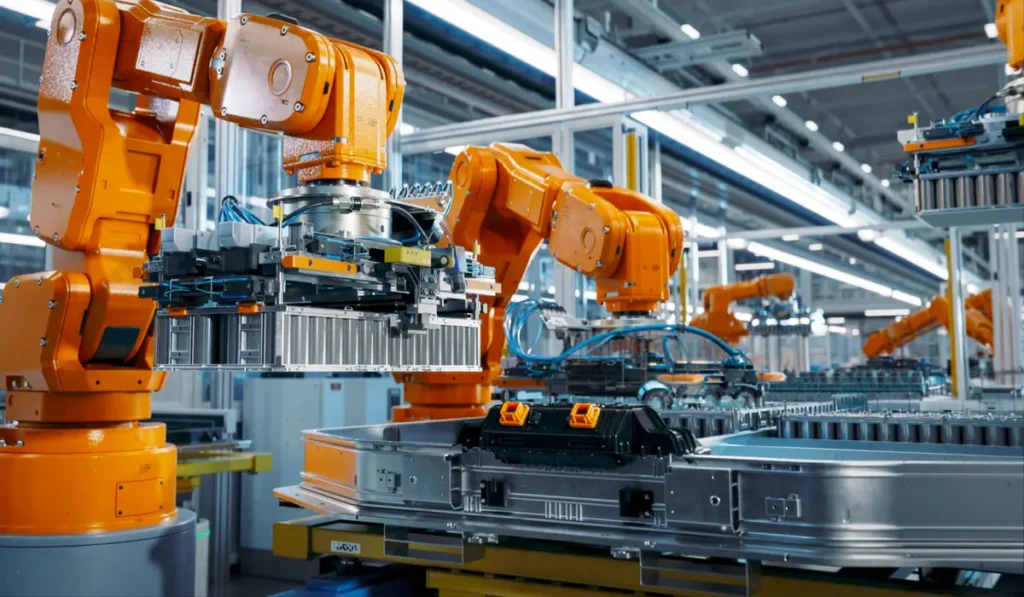
Manufacturing was the most-attacked industry globally in 2025 for the fifth consecutive year, accounting for more than a quarter of all incidents IBM’s X-Force team responded to.
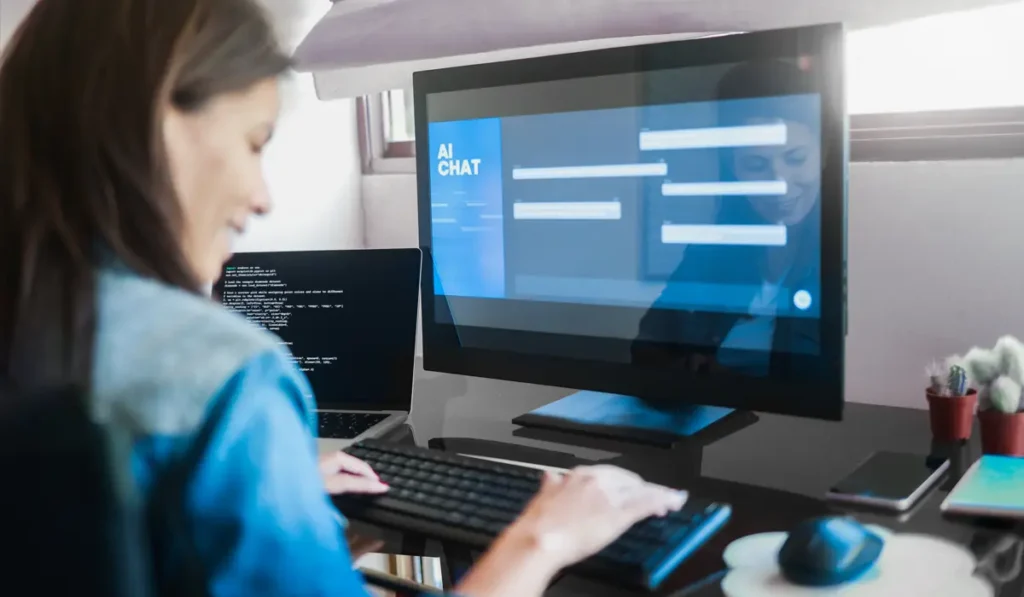
Employees are adopting AI tools on their own—often creating “shadow AI”—without realizing they’re creating a security or compliance gap by doing so.
Cloud platforms guarantee uptime and infrastructure resilience, not data backup. Those are two different promises, and the second one is usually yours to keep.
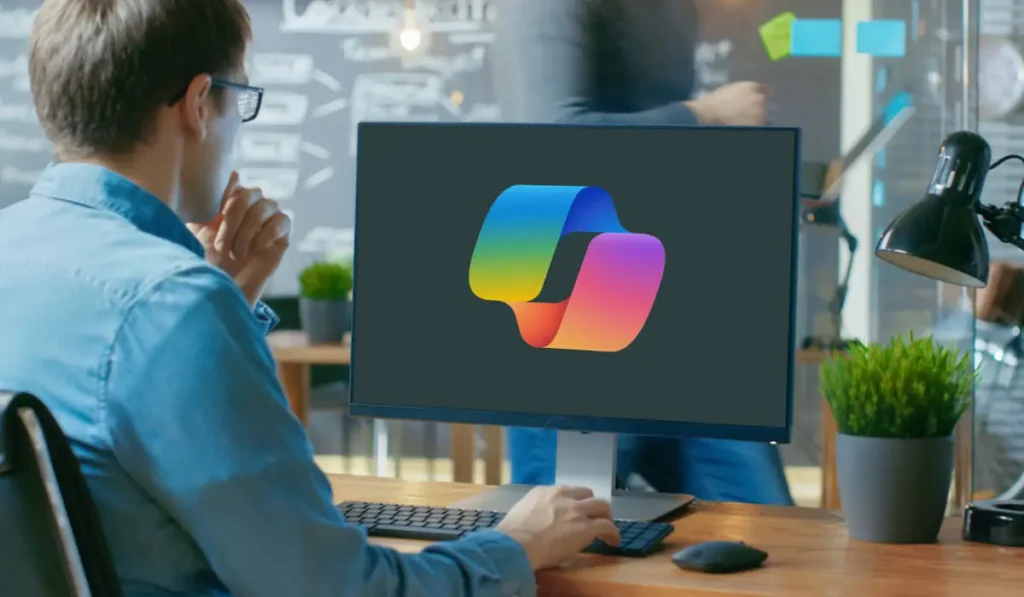
A large share of Fortune 500 companies have licensed Microsoft 365 Copilot, but actual daily usage among employees with access remains well under half in most studies.
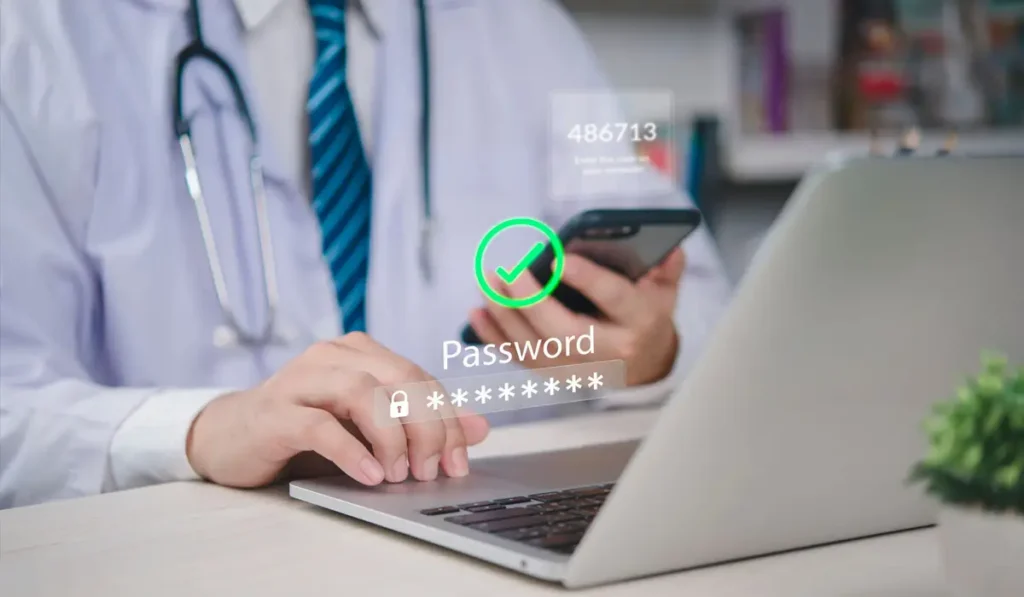
The biggest proposed overhaul of the HIPAA Security Rule in two decades has stalled, and it may not arrive on
Microsoft ended support for Windows 10. Those PCs no longer receive security updates through normal channels, which makes them a growing target.

Prevention matters, and insurers, auditors, and business partners still require it. What’s changed is that resilience has become the outcome the business gets judged on.

AI agents now act inside your systems with real access, which makes them a new kind of identity most security programs weren’t built to manage.

The squeeze on internal IT is real and measurable. Recent workforce research shows large shares of practitioners feeling overwhelmed by their workload and worn down from trying to keep up.
Private AI means running some or all of your models on infrastructure you own or fully control, so your data doesn’t pass through a public cloud service.